top of page
Light-Matter Strong Coupling: This exciting field lies at the interface of quantum electrodynamics and molecular science. In the so-called strong-coupling regime, hybrid light-matter states, known as polaritonic states, are formed by the interaction between a molecular transition and the electromagnetic field of an optical cavity. Importantly, the hybridization occurs even in the dark because the coupling process involves the zero-point fluctuations of the optical field (a.k.a. vacuum field) and the molecular transition. In other words, unlike photochemistry, no real photon is required in the strong coupling process. Nevertheless, the physical and chemical properties of the molecules and materials can be completely modified in this regime, as it has been demonstrated over the past decade.
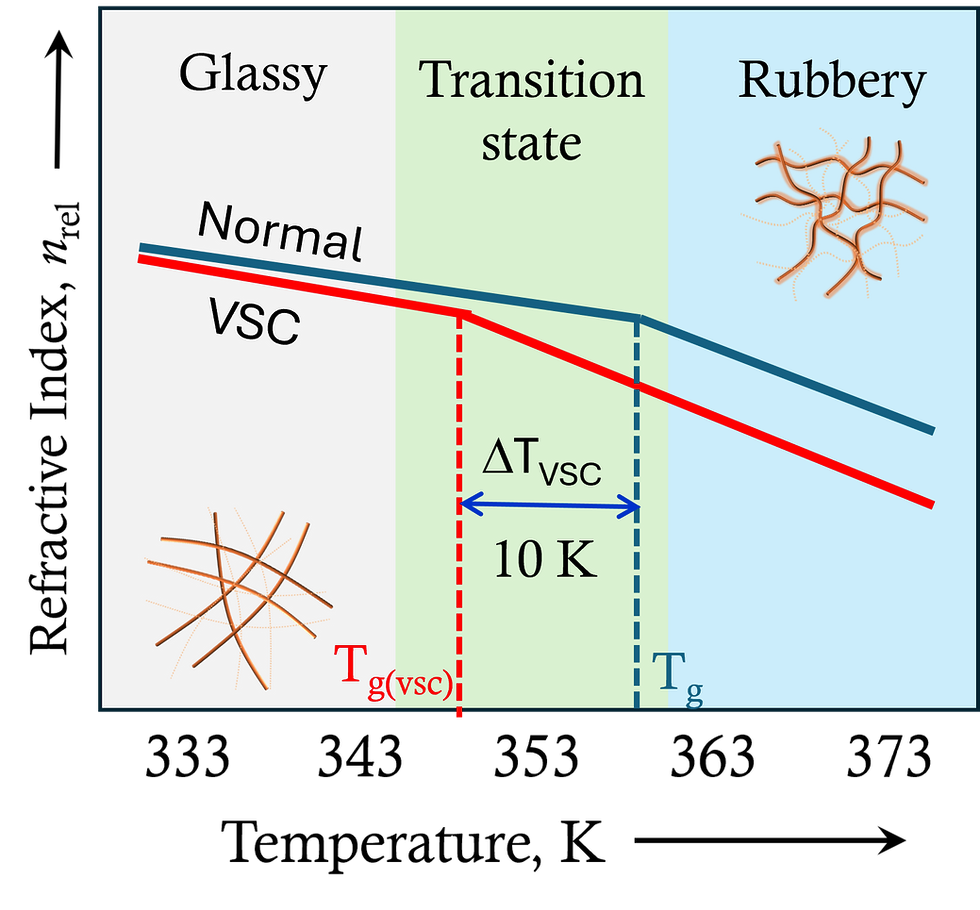
Vibrational Strong Coupling: Excitingly, when the vibrational transition of a molecule is coupled with the optical modes (VSC), the newly formed vibro-polaritons (VP) lead to surprisingly large modifications in the ground state potential energy surface, as can be seen in the reactions studied in this regime. VSC was found to show modified selectivity in chemical reactions and different aggregation properties of the molecules/materials.
Light-Matter Strong Coupling
Vibrational Strong Coupling


Consequences of Strong Coupling

Cavity Quantum Electrodynamics for Chemistry
Molecules exhibit modified chemical and material properties under light-matter strong coupling, due to the formation of polaritonic states. Exploring the potential application of this phenomenon in different fields of chemistry.
Phase Transitions
Chemical Reactivity


Light-Matter Hybrid Chemistry Lab
Kalaivanan Nagarajan

bottom of page